Best Bar Soap: How to Choose the Right One for Your Skin
Quick Summary
The best bar soap is the one that cleans well without leaving skin tight, and that matches your skin type and how you use it. Look for a short, readable ingredient list, and patch test before using a new bar on your face or body. For sensitive skin, avoid fragrance and essential oils and consider a syndet bar.
- Check for a short ingredient list with recognizable plant-based components.
- Patch test a new bar on your inner forearm for 24-48 hours before wider use.
- Avoid fragrance, essential oils and exfoliants if your skin is reactive.
- Use a draining dish or hanging holder so the bar stays dry between washes.
- Compare bars by cost per use: price divided by the weeks the bar lasts.
Table of Contents
- What Makes a Bar Soap Worth Buying
- Bar Soap vs Liquid Soap: What Actually Differs
- Finding the Best Bar Soap for Sensitive Skin
- Handmade Bar Soap: Ingredients, Formulation and Trade-offs
- How Long Does Bar Soap Last and What It Costs Per Use
- Storing Bar Soap So It Lasts and Stays Hygienic
- Choosing Your Next Bar: A Practical Checklist for Shopping The Soap Handler's Range
- Frequently Asked Questions
What Makes a Bar Soap Worth Buying
Last Updated: October 31, 2026
Choosing the best bar soap starts with knowing what separates a useful bar from a forgettable one. Most bars look similar on the shelf, but they perform very differently in the shower. The differences come down to ingredients, how the soap is made, and how it feels on your skin after the second or third wash.
A good bar cleans thoroughly without leaving skin tight or squeaky. It lathers enough to feel effective, yet doesn't strip the natural oils your skin depends on. Many people with dry skin notice this difference within a week of switching.
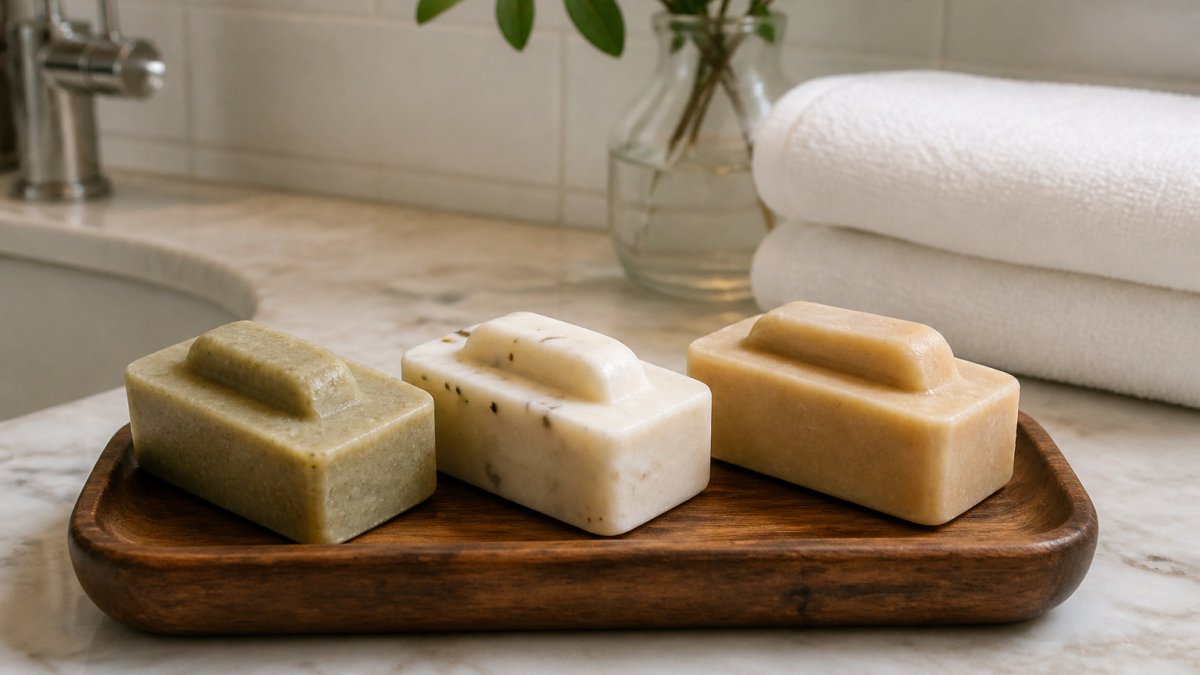
At The Soap Handler, we design our bars around the idea that a soap should be easy to use from the first wash to the last sliver. Our bars feature a built-in handle for a slip-free grip, all-natural ingredients, and no synthetic attachments. These are the features worth checking for when you compare options.
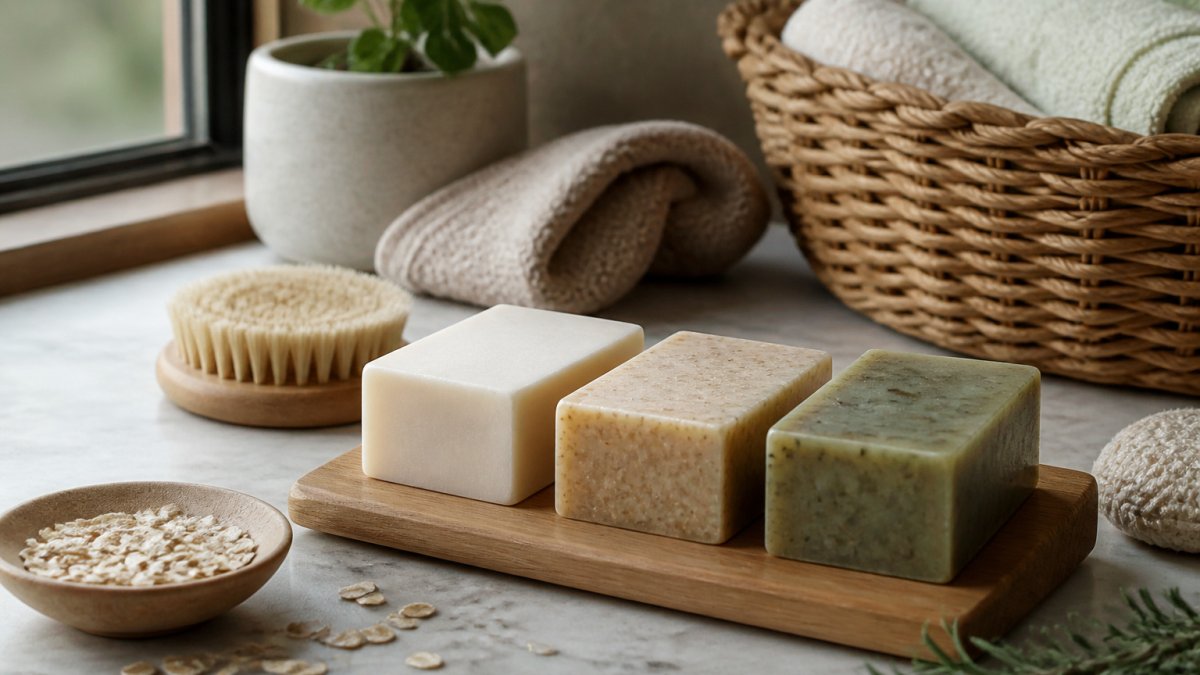
Look for a short ingredient list you can actually read. Saponified oils, glycerin, and plant-based additives are common in well-made bars. Synthetic detergents, heavy fragrance blends, and unnamed "parfum" entries are worth questioning.
Consider how the bar will be used too. A family bar needs to hold up in a shared shower. A bar for sensitive skin should be fragrance-free or lightly scented with known essential oils. Matching the bar to the use case matters more than chasing a single "best" label.
Bar Soap vs Liquid Soap: What Actually Differs
Bar soap and liquid body wash both clean skin, but they are built differently. A traditional bar is made by saponifying fats and oils, then drying the mixture into a solid. Liquid soaps usually rely on synthetic surfactants diluted in water, which is why they often contain more preservatives.
The practical differences show up in three places. First, packaging: a bar typically needs no plastic bottle, which reduces waste. Second, concentration: because a bar contains little water, a small piece goes a long way. Third, cost per use often favors bars, although that depends on the product and how long it lasts.
Liquid soap has its own advantages. It dispenses easily, works well for people who wash with wet hands, and some formulas are gentler on very dry or reactive skin. Neither format is automatically better. Your skin type, bathroom setup, and habits should decide the choice.
Finding the Best Bar Soap for Sensitive Skin
Sensitive skin is not one condition. It can mean a compromised skin barrier, a diagnosed condition such as eczema or rosacea, or simply a tendency to sting and flush after washing. That distinction matters when you shop, because the right bar for mild reactivity is not the same as the right bar for a flare-up.
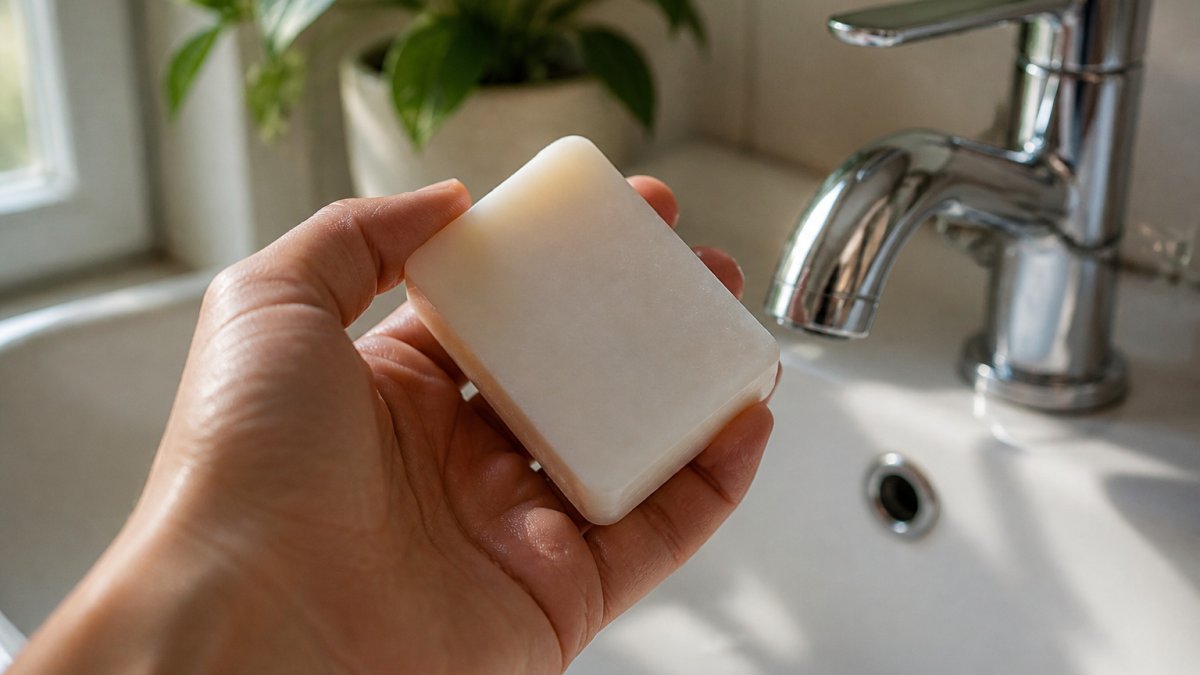
Start with the cleanser type. Traditional bar soap is alkaline, typically around pH 9-10, because it is made by saponifying fats with lye. That higher pH can disrupt the skin's acid mantle, which sits near pH 4.5-5.5, and leave reactive skin feeling tight or itchy. Syndet bars (synthetic detergent bars) are formulated closer to skin pH and often use milder surfactants such as sodium cocoyl isethionate. Many people who react to regular soap tolerate a syndet bar better, even though it is not technically soap. If a label calls itself a "cleansing bar" rather than "soap," that is usually the reason.
Ingredient watch list for reactive skin:
- Fragrance and parfum. The most common cause of cosmetic contact reactions. "Unscented" and "fragrance-free" are not the same, unscented products may contain masking fragrance.
- Essential oils. Natural does not mean non-irritating. Peppermint, tea tree, eucalyptus, and citrus oils are frequent triggers, especially on broken or inflamed skin.
- Exfoliants and dyes. Walnut shell, pumice, and coarse oatmeal can abrade compromised skin; synthetic dyes add no cleansing benefit.
- High-foam surfactants. Sodium lauryl sulfate (SLS) lathers aggressively and is more likely to strip than gentler alternatives like sodium cocoyl isethionate or cocamidopropyl betaine.
Individual reactions still vary, which is why patch testing matters.
A practical shopping habit: compare two candidate bars side by side and judge them an hour after showering, not in the moment. The bar that leaves skin comfortable and un-tight an hour later is usually the better match, regardless of what the front label promises.
Handmade Bar Soap: Ingredients, Formulation and Trade-offs
Handmade bar soap is usually made in small batches, which allows more control over ingredients and curing time.
The trade-offs are real. Ingredient lists can vary from batch to batch, so people with allergies should read each label rather than assume consistency.
How Long Does Bar Soap Last and What It Costs Per Use
Bar soap longevity depends on how often it gets wet and whether it sits in a puddle. A bar kept in a draining dish generally lasts longer than one left in standing water.
Calculating cost per use helps you compare fairly. Divide the price by the number of weeks the bar lasts, then compare that figure across options. Pricing depends on the product, quantity, and delivery, so check The Soap Handler's website for current prices.
Several factors affect how long a bar lasts, including how often it stays wet between uses.
Storing Bar Soap So It Lasts and Stays Hygienic
Most bar soap does not wear out from washing, it dissolves from sitting wet. The mechanism is simple: soap is water-soluble, and when a bar rests in a puddle, the exposed surface absorbs water, softens into a gel-like layer, and sloughs off with each touch. That soft layer is what people call "mush." Eliminating standing water is the single biggest lever for bar longevity.
Storage setups that work, ranked by how well they dry the bar:
- A slatted or self-draining soap dish that lets water fall away from the bar. Wood, bamboo, and silicone with drainage channels all work; the key is airflow under the bar.
- A magnetic or wire holder that suspends the bar in the air. Best drying, but only works with bars that can take an insert or are firm enough to balance.
- A soap saver pouch or lift that keeps the bar off the shelf surface. Useful in showers with no ledge.
- A plain ceramic dish, only if it has raised ridges and you empty it. A flat dish is the worst option because it traps water directly under the bar.
What to avoid: closed travel containers while the bar is wet, sealed soap cases, and leaving the bar in the direct spray path of the showerhead. Trapped moisture softens the bar and creates a slimy surface layer where residue and microbes can accumulate.
Hygiene questions come up often. That said, common sense applies: rinse the bar before and after use, keep it dry between washes, and do not share a bar with someone who has an open skin infection. If a bar develops a persistent odd smell, a slimy film that does not rinse away, or visible cracking and discoloration, replace it.
The storage options below are ranked by how well they dry the bar, so you can pick the setup that suits your shower.
| Storage option | How it dries the bar | Note |
|---|---|---|
| Slatted or self-draining dish | Lets water fall away from the bar | Wood, bamboo or silicone with drainage channels |
| Magnetic or wire holder | Suspends the bar in the air | Best drying; needs a bar firm enough to balance |
| Soap saver pouch or lift | Keeps the bar off the shelf surface | Useful where the shower has no ledge |
| Plain ceramic dish | Only if it has raised ridges | Empty it; a flat dish traps water under the bar |
Choosing Your Next Bar: A Practical Checklist for Shopping The Soap Handler's Range
Before you buy, run through this list to narrow your choice:
- Check the ingredient list for recognizable, plant-based components
- Decide between fragrance-free and lightly scented based on your skin
- Consider whether the bar needs a built-in grip for slippery hands or kids
- Estimate how long the bar should last and calculate cost per use
- Confirm a draining dish or storage plan at home
- Plan a patch test if you have sensitive skin
Shop the Handlers to find the bar that matches your skin, your budget, and the way you use soap every day.
Frequently Asked Questions
Is bar soap better than liquid soap?
Neither is better for every person. Bar soap typically has far less water and fewer preservatives than liquid body wash, so it uses less packaging and often lasts longer per purchase. Liquid soap can be gentler for some people with very dry or reactive skin, and it is easier to use with children or people with limited grip. Choose based on your skin, your routine and whether you can keep a bar dry between uses.
What is the best bar soap for sensitive skin?
Look for a fragrance-free or lightly scented bar with a short ingredient list, mild cleansing agents and added moisturising oils such as olive or almond oil. Avoid heavy essential oil blends, which are a common source of irritation for sensitive skin. Test any new bar on a small patch of skin for a few days before using it all over, and stop if you notice redness, stinging or itching.
How long does a bar of soap usually last?
How long a bar lasts depends on how often it is used and whether it stays dry between uses. Keeping the bar on a draining dish and out of standing water generally helps it last longer. Soaps that dissolve quickly often have less oil or more water in the formula, so check the ingredients if you find you are reordering often.
What is the difference between handmade and commercial bar soap?
Handmade bar soap is usually made in small batches with cold or hot processing, often retaining glycerin and natural oils that mass-produced bars may remove. Commercial bars are typically made with synthetic detergents for consistency and lower cost. Both can be effective; the practical differences are in ingredient transparency, scent options and how the bar feels on your skin.